

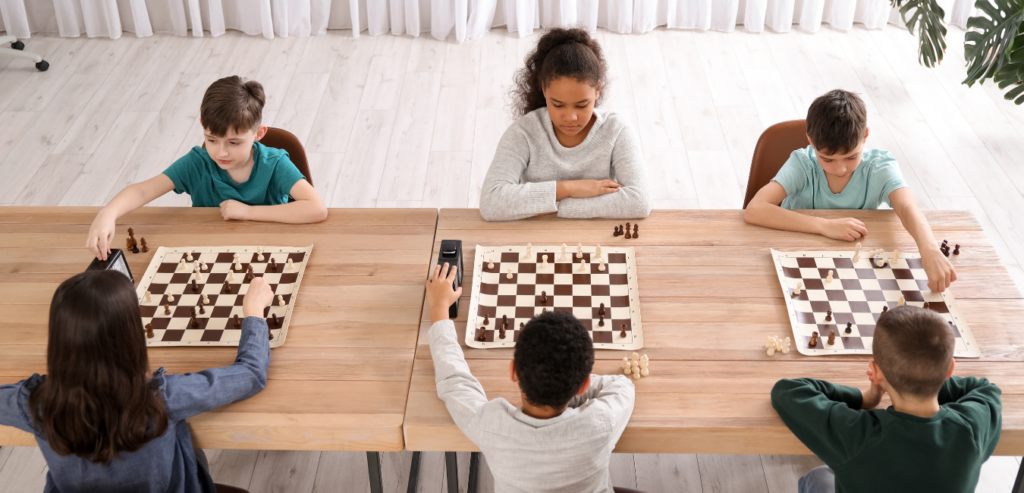
Chess offers more than entertainment; it’s a dynamic educational tool that invigorates young minds. By integrating chess into the classroom, educators can tap into a wealth of cognitive, social, and emotional advantages that align seamlessly with educational objectives. From enhancing critical thinking to improving memory, chess provides a robust mental workout.
One intriguing benefit is how chess fosters strategic thinking. Students learn to plan ahead, anticipate their opponent’s moves, and adapt their strategies. These skills are applicable to subjects like mathematics and science, where problem-solving is crucial. Additionally, the patience and discipline cultivated through chess can support students throughout their academic pursuits.
Implementing Chess in Schools
Integrating chess into school curricula might seem daunting, but it’s simpler than you might think. Start by introducing chess clubs or after-school programmes. These can serve as the perfect gateway for students to explore the game without the pressure of grades or assessments. Furthermore, these clubs can be led by teachers or volunteers who are passionate about chess, creating a supportive and engaging environment.
Consider incorporating chess into existing subjects. For example, a maths class could explore geometric patterns found on the chessboard, or a history lesson could delve into the origins and evolution of chess. By weaving chess into the fabric of various subjects, schools can enrich the learning experience without overhauling their entire curriculum.
A Real-World Example
Some schools have successfully integrated chess into their curriculum, demonstrating how others might approach this endeavor. By introducing regular chess sessions, these schools have observed notable improvements in student concentration and problem-solving skills.
Educators have noticed that students participating in chess sessions are more engaged in other subjects, showing enhanced focus and improved academic performance. Moreover, these programs foster a sense of community and camaraderie among students, as they learn to respect each other’s skills and strategies.
Creating a Chess-Friendly Environment
To ensure the success of a chess programme, schools need to create an environment that supports and celebrates the game. This can be achieved by hosting inter-school chess tournaments, which not only motivate students but also help them develop sportsmanship. Recognising students’ achievements in chess during school assemblies can further boost their confidence and interest.
Additionally, providing access to resources such as chess boards, books, and online platforms can help students practise and improve their skills. Schools might also consider inviting local chess experts or coaches to conduct workshops, offering students a chance to learn from seasoned players.
Chess as a Tool for Inclusivity
Chess can also play a significant role in promoting inclusivity within schools. It’s a game that transcends language barriers and can be enjoyed by students from diverse backgrounds. By fostering an inclusive chess culture, schools can ensure that every student has the opportunity to participate, learn, and grow.
For instance, students with different learning abilities can find their niche in chess. The game can be adapted to various levels of difficulty, making it accessible to everyone. This adaptability allows students to progress at their own pace, building confidence and a sense of achievement.
Final Thoughts
Integrating chess into the educational curriculum offers a myriad of benefits that extend beyond the classroom. It’s not just about teaching students how to play a game; it’s about equipping them with life skills that will serve them well into adulthood. By embracing chess, schools can nurture a generation of strategic thinkers, problem solvers, and lifelong learners.
For parents and school administrators considering this path, the key takeaway is to start small and build gradually. Whether through clubs, curriculum integration, or community events, there are many ways to bring the benefits of chess to your students. Please feel free to reach out if you have more questions, or if you are interested in exploring how chess can enrich your educational environment.
FAQs
Q: How can I start a chess club at my school?
A: Begin by gauging student interest and securing a space for meetings. Recruit teachers or volunteers who know chess to lead the club, and promote it through school newsletters and assemblies to attract members.
Q: What age group is best suited for learning chess?
A: Chess can be introduced to children as young as 5-6 years old. At this age, they can grasp basic rules and gradually develop more complex strategies as they grow older.
Q: Are there any resources available for schools to get started with chess?
A: Yes, many organisations provide free or affordable chess resources for schools, including lesson plans, boards, and software. Additionally, online platforms offer tutorials and practice games suitable for students of all levels.